|
|
|
|
Digital MBA for Technology Leaders
|
The CDGO role is a signal of where senior tech leadership is heading: beyond delivery, toward measurable growth and business ownership. That’s exactly what the Digital MBA for Technology Leaders is designed to accelerate: helping you connect strategy, finance, operating models, and AI-enabled execution so you can lead cross-functionally, speak the board’s language, and drive outcomes that show up in revenue, retention, and margin.
|
The next cohort starts in just 3 days, on Monday, March 2, 2026.
|
|
|
|
|
|
|
|
|
What Our Graduates Say
"Absolutely the best value for current or emerging CTOs
I did a lot of research before I jumped into a CTO/CIO course. CTO Academy came highly recommended, and after completing the course, I can say WOW! What a fantastic course!!! I gladly add my voice to all the high recommendations! It is focused enough to give you practical, actionable insights and yet broad enough in topics to give you a blueprint to create a holistic, well-rounded leader.
Even in areas that weren't super applicable to my specific career path, the lectures were interesting, well done, and informative. The additional materials for each lecture were absolutely over-the-top. I saved nearly 4GB of PDFs in addition to my own notes just from the additional materials in this course. So thorough!
Each lecture was unique, and the personalities were overall very engaging. I have already used elements of this course in my current career and find it will be immeasurably valuable in my future career. Even if I pursued a completely different, non-technical career, this course brought so much value that I can take principles, practices, and processes from CTO Academy and apply them across nearly any other discipline.
I cannot say enough good things about this course, its lectures, and the content provided. They update it so regularly that in the eight months or so I took to finish it, they had already added three new lectures. So grateful they keep up with such a dynamic industry." - Steven H., Operations Manager
|
|
|
Turn “Growth Ownership” Into a Sponsor-Ready 90-180-Day Execution Plan
|
|
|
If you see yourself in senior technology leadership, here’s the real unlock behind roles like CDGO: it’s not the title; it’s the ability to prove you can run a growth operating system.
That means showing up with a plan your leadership can fund: clear KPIs, an execution cadence, cross-functional governance, and a prioritized roadmap that ties digital work directly to revenue, retention, conversion, and efficiency, with measurement built in.
That’s exactly what the Digital MBA for Technology Leaders helps you produce. Not “more education,” but boardroom-grade artifacts you can use immediately: outcome narratives, KPI scoreboards, operating cadences, strategy-to-execution maps, and decision frameworks you can apply to growth initiatives, so your progress is visible, measurable, and promotable.
Next cohort starts Monday, March 2, 2026. You’ll go through 9 modules in a flexible format built around a full-time job, supported by 200+ practitioner-led micro-lectures, weekly expert Q&As, and peer sessions to pressure-test decisions before they hit your org.
You also get lifetime access, up to 12 months to complete, a personal course manager, and a 7-day money-back guarantee after the course starts.
Explore the Digital MBA for Technology Leaders →
Alternatively, book a short discovery call → with our CEO to map the program to your path toward broader growth accountability.
|
|
|
|
|
CTO Community Pulse: Highlights
|
|
|
Upcoming Online Events
- Tuesday, March 3 - AI software and the CTO’s role in managing IP (Expert Q&A with Charles Clark)
- Tuesday, March 17 - Software Is No Longer Written. It Is Directed. (Expert Q&A with Jof Walters)
* Sign up for CTO Academy Membership to participate in our weekly online sessions
Upcoming In-Person Events
* For more information, registration, and past events overview, go to our Events page →
London Tech Leaders upcoming events
* London Tech Leaders is a community-led events platform designed for senior technology professionals to share innovative ideas, challenge conventional thinking, and build strategic relationships.
Slack Roundup
#Ask-the-Community channel:
AI-Allowed Interviews: Where the Real Signal Moves
Members compared notes on allowing candidates to use AI during take-home or live coding. The consensus: the signal shifts from “can they code it” to judgment: prompt quality, verification habits, and whether they can explain and critique what the AI produced. Several suggested keeping classic coding/system design, then adding an AI-allowed task that’s too big to finish by hand, followed by a probing debrief (and even submitting AI session logs). Open questions remained on upgrading baseline challenges and designing realistic refactoring/systemic-bug exercises.
“RAM Shortage” Reality Check: Budgets, Lead Times, and a Return to On-Prem
A community thread compared notes on the ongoing memory supply crunch and how leaders are communicating it internally. Members reported sharp price jumps for high-spec builds and provider-driven cost increases, prompting more frequent vendor check-ins and faster purchasing decisions (especially for laptops and refresh cycles). The discussion also touched on second-order effects: how AI infrastructure demand is reshaping supply, and whether some teams may shift back toward owning hardware/on-prem to reduce exposure to volatile cloud and component pricing.
The “Everything’s Fine… Until It Isn’t” CTO Mindset
One thread got candid about the low-level anxiety many tech leaders carry: the sense that issues can stay invisible for weeks, until they suddenly explode. Replies reframed it as partly “the job”: tech leaders are paid to anticipate risk in a fast-shifting landscape, and that preventative work is often unseen (or only noticed when it’s missing). Practical takeaways included calibrating risk more explicitly, sanity-checking blind spots with peers, and focusing on what’s actionable—solve the next problem, then the next.
* This is just a small fraction of the most recent discussions on our Community Slack
|
|
|
|
|
|
|
|
|
|
|
|
|
|
|
|
|
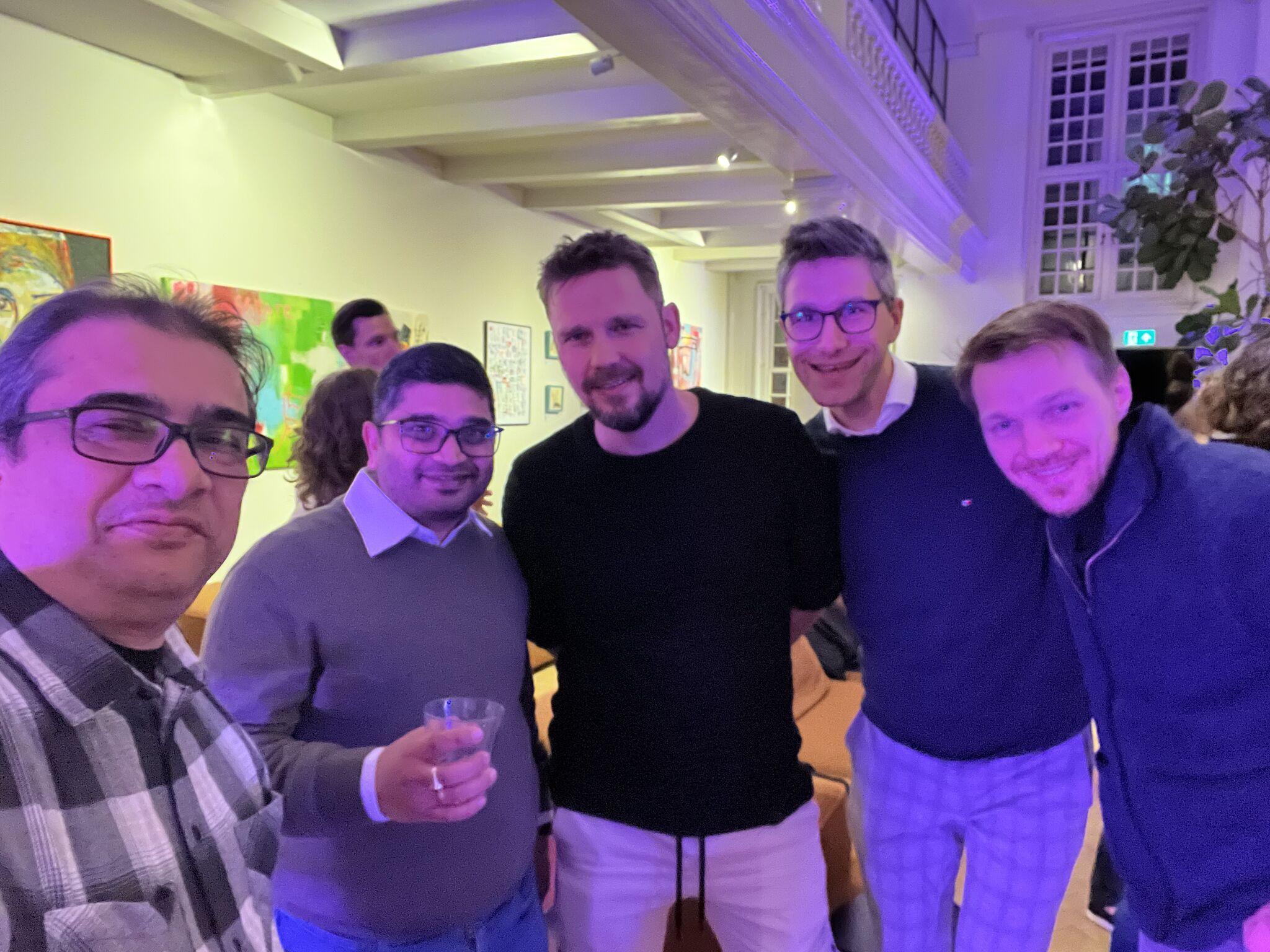
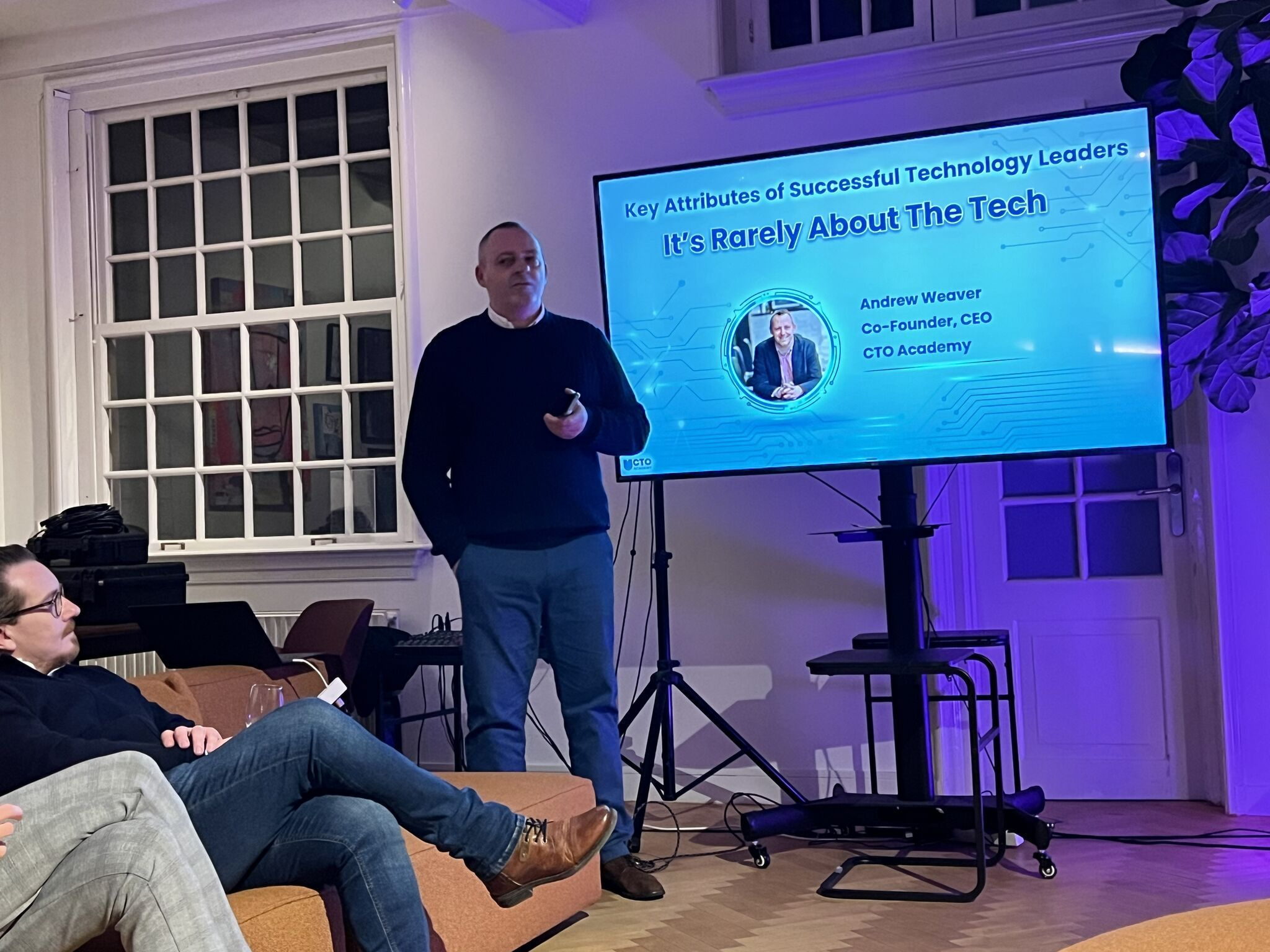
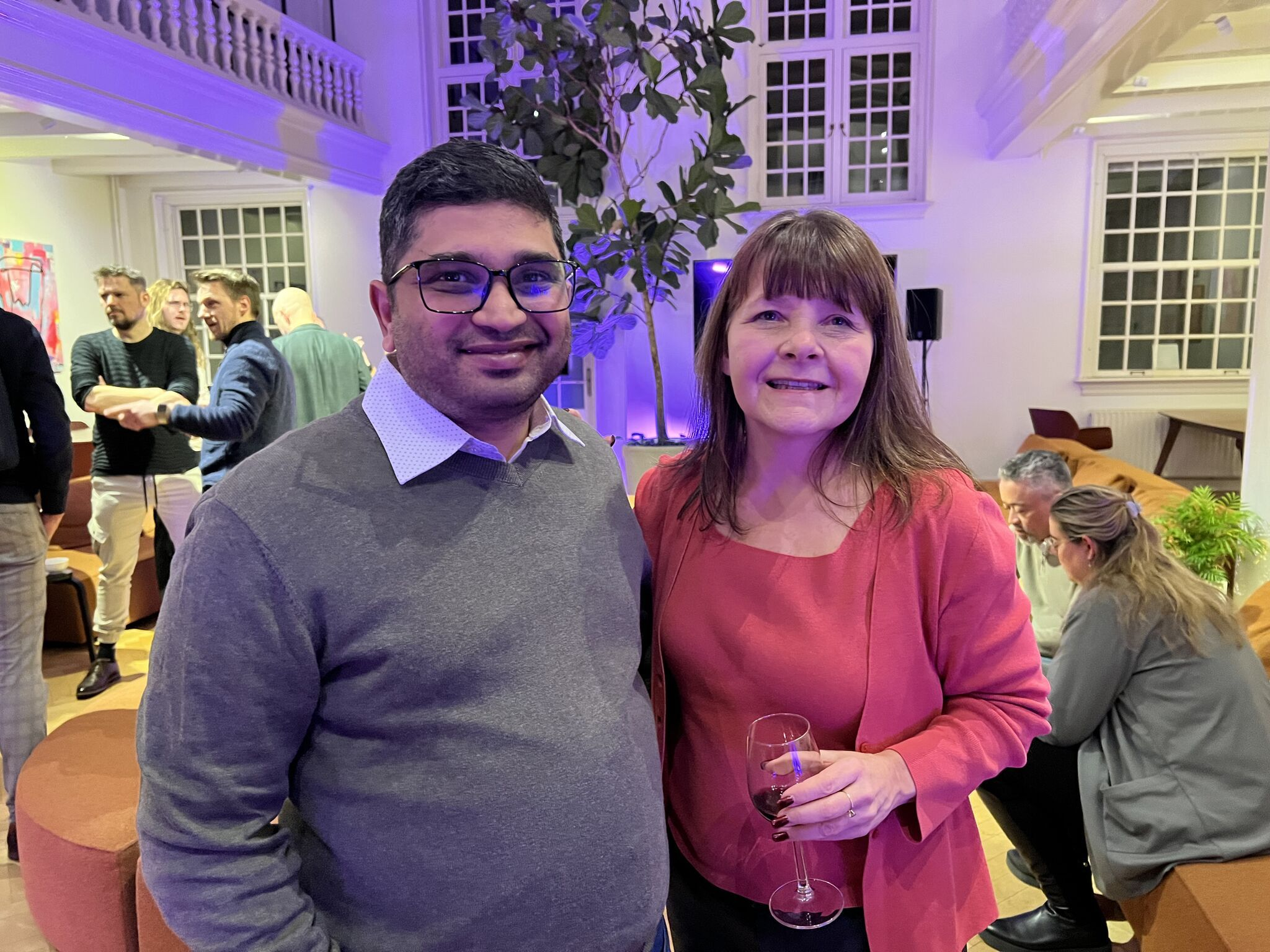
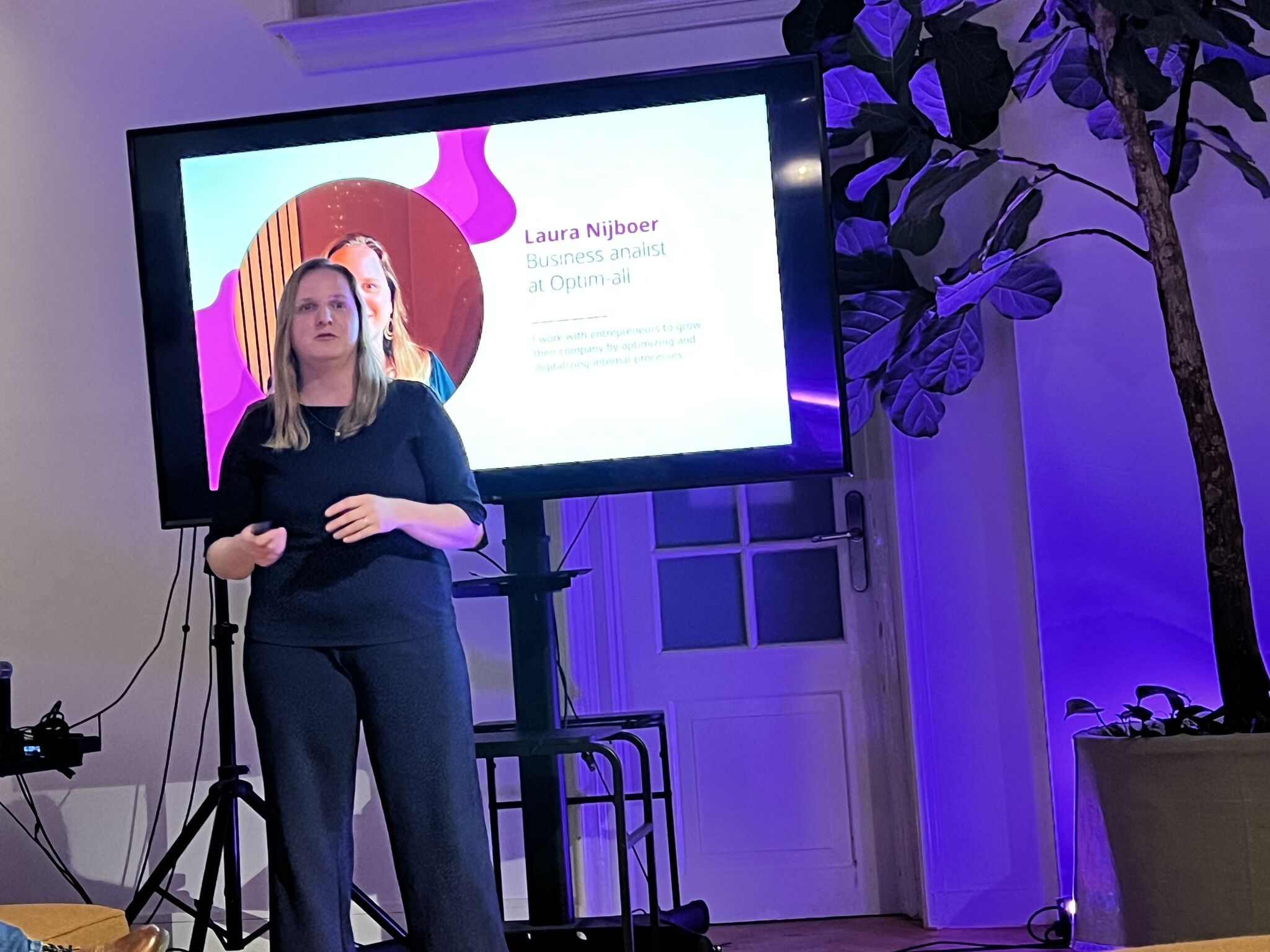
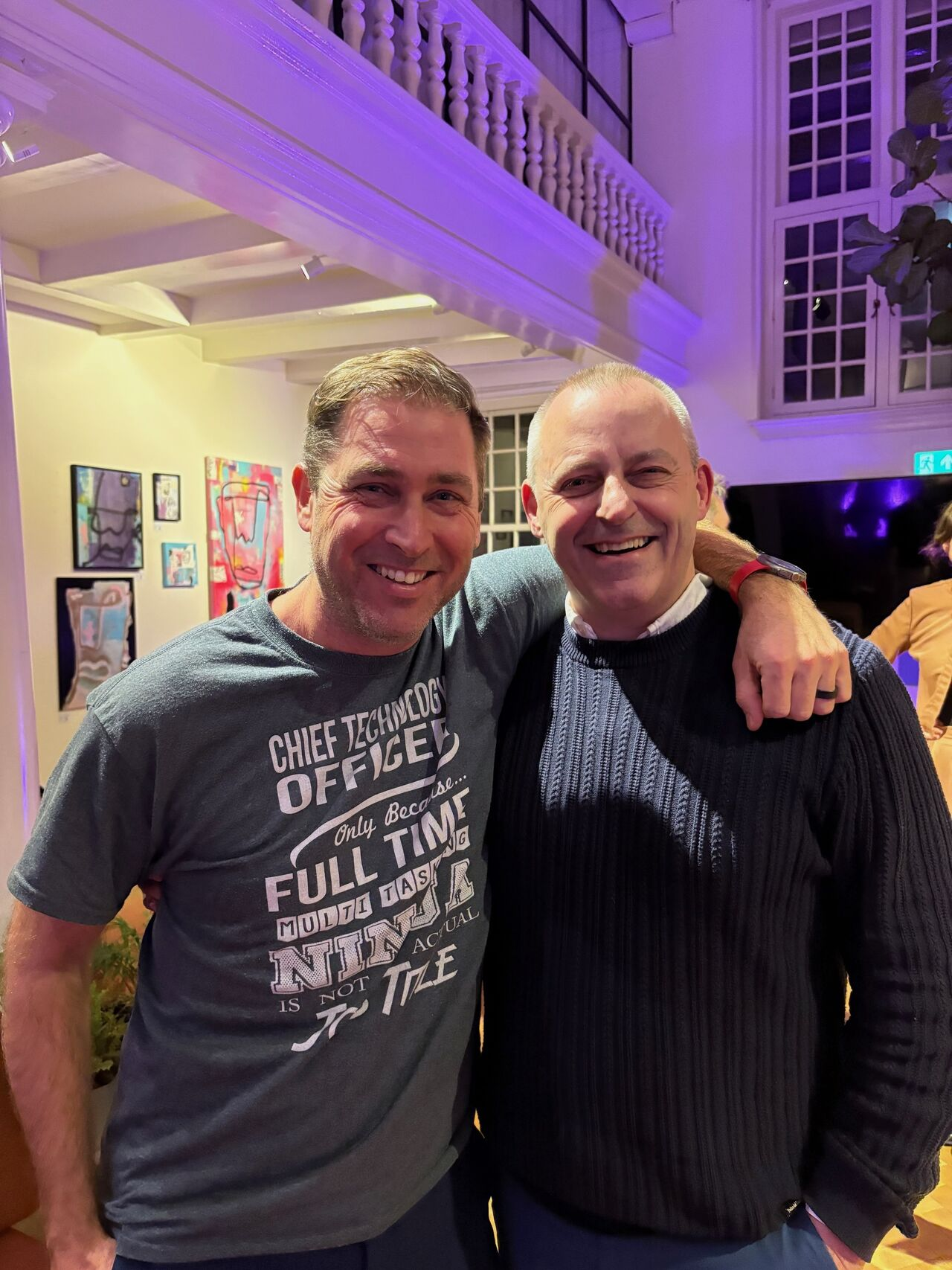
From our Amsterdam CTO meetup this February.
|
|
|
|
|
|
|
|
|
|
|
|
|